In today's fast-paced world, the concept of healthy living has gained significant attention as more individuals seek to enhance their well-being and longevity. At its core, healthy living encompasses a holistic approach to life that prioritizes physical, mental, and emotional health. One of the most critical components of this lifestyle is diet, which plays a pivotal role in determining overall health outcomes. The foods we consume not only fuel our bodies but also influence our risk for chronic diseases, energy levels, and even our mood. The benefits of adopting a healthy diet extend far beyond weight management.
Research consistently shows that a balanced diet rich in whole foods can lead to improved cardiovascular health, enhanced cognitive function, and a stronger immune system. Moreover, individuals who embrace healthy eating habits often report higher levels of energy and vitality, allowing them to engage more fully in their daily activities. This connection between diet and well-being underscores the importance of making informed food choices that align with one's health goals. Understanding the significance of diet in the context of healthy living is essential for anyone looking to improve their quality of life. As we delve deeper into various dietary patterns that promote longevity and wellness, it becomes clear that there is no one-size-fits-all solution.
Instead, the most effective diets are those that are sustainable, enjoyable, and tailored to individual needs. By exploring different dietary approaches, we can uncover valuable insights into how specific foods and eating habits contribute to a longer, healthier life.
The Mediterranean Diet: A Model of Healthy Eating
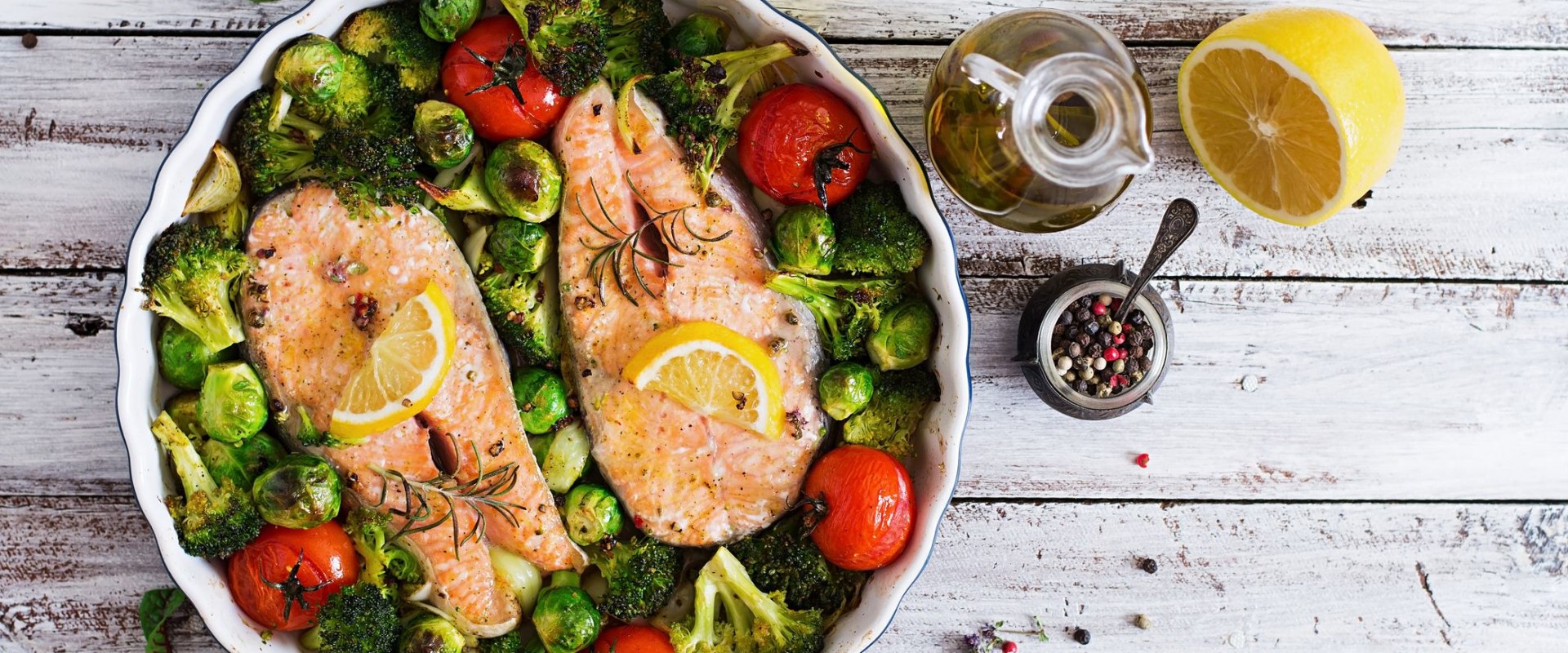
The Mediterranean diet is often hailed as one of the healthiest eating patterns in the world, characterized by its rich variety of flavors and nutrient-dense foods. This diet is primarily based on the traditional eating habits of countries bordering the Mediterranean Sea, such as Greece, Italy, and Spain. It emphasizes the consumption of whole, minimally processed foods that are not only delicious but also beneficial for overall health. At the core of the Mediterranean diet are:- Fruits and Vegetables: A wide array of colorful fruits and vegetables forms the foundation of this diet.
These foods are packed with essential vitamins, minerals, and antioxidants that help combat oxidative stress and inflammation.
- Whole Grains: Whole grains like brown rice, quinoa, and whole wheat bread provide fiber and important nutrients while helping to maintain stable blood sugar levels.
- Healthy Fats: Olive oil is a staple in the Mediterranean diet, serving as a primary source of fat. Rich in monounsaturated fats, it supports heart health and reduces bad cholesterol levels.
- Lean Proteins: The diet encourages moderate consumption of fish and poultry while limiting red meat. Fish, particularly fatty varieties like salmon and sardines, are high in omega-3 fatty acids, which are known for their heart-protective properties.
- Dairy: Moderate amounts of dairy, primarily in the form of yogurt and cheese, are included for their calcium content and probiotics.
- Herbs and Spices: Instead of relying on salt for flavoring, the Mediterranean diet utilizes a variety of herbs and spices that not only enhance taste but also offer additional health benefits.
For instance, research published in the New England Journal of Medicine found that individuals adhering to this dietary pattern had a significantly lower risk of cardiovascular disease compared to those following a standard Western diet. Furthermore, another study indicated that participants who embraced the Mediterranean lifestyle experienced improved cognitive function and a reduced risk of developing Alzheimer’s disease. In addition to its heart-healthy advantages, the Mediterranean diet has been linked to lower incidences of chronic diseases such as diabetes and certain types of cancer. The combination of high fiber intake from fruits, vegetables, and whole grains helps regulate blood sugar levels while promoting digestive health. In conclusion, the Mediterranean diet exemplifies a model of healthy eating that not only nourishes the body but also promotes longevity. By incorporating its principles into daily life, individuals can enjoy a flavorful culinary experience while reaping significant health benefits.
Plant-Based Diets: Vegan and Vegetarian Options
Adopting a plant-based diet, whether through veganism or vegetarianism, has gained significant traction in recent years, not only for its health benefits but also for its positive impact on the environment.Both diets emphasize the consumption of fruits, vegetables, whole grains, legumes, nuts, and seeds while minimizing or eliminating animal products.
Health Benefits of Vegan and Vegetarian Diets
- Reduced Risk of Chronic Diseases: Numerous studies have shown that individuals following a vegan or vegetarian diet tend to have lower rates of heart disease, hypertension, type 2 diabetes, and certain cancers. This is largely attributed to the high intake of antioxidants and fiber found in plant foods.
- Weight Management: Plant-based diets are often lower in calories and higher in fiber, which can aid in weight loss and maintenance. The satiating nature of fiber-rich foods helps control hunger and reduce overall calorie intake.
- Improved Digestive Health: The abundance of dietary fiber in plant-based diets promotes healthy digestion and regular bowel movements. This can help prevent constipation and reduce the risk of gastrointestinal disorders.
Nutrient Considerations
While there are numerous benefits to adopting a vegan or vegetarian diet, it is essential to be mindful of potential nutrient deficiencies.
Key nutrients that may require attention include:
- Vitamin B12: Primarily found in animal products, B12 is crucial for nerve function and the production of red blood cells. Vegans should consider fortified foods or supplements.
- Iron: Plant-based sources of iron (like lentils and spinach) are less easily absorbed than those from meat. Pairing these foods with vitamin C-rich items can enhance absorption.
- Omega-3 Fatty Acids: Essential for heart health, omega-3s are found in fish but can also be obtained from flaxseeds, chia seeds, and walnuts.
Environmental Impact
The shift towards a plant-based diet is not only beneficial for personal health but also for the planet. Animal agriculture is a significant contributor to greenhouse gas emissions, deforestation, and water usage.
By choosing plant-based options, individuals can reduce their carbon footprint and contribute to a more sustainable food system. In conclusion, embracing a vegan or vegetarian lifestyle can lead to numerous health benefits while also promoting environmental sustainability. With careful planning and awareness of nutrient needs, individuals can enjoy a balanced diet that supports both their health and the health of the planet.
Low-Carb Diets: Understanding Their Impact on Health
Low-carb diets have gained significant popularity in recent years, particularly the ketogenic diet, which emphasizes a drastic reduction in carbohydrate intake while increasing fat consumption. This dietary approach is based on the principle that by limiting carbohydrates, the body enters a state of ketosis, where it burns fat for fuel instead of glucose. Understanding the mechanisms behind low-carb diets can help individuals make informed choices about their health and nutrition. One of the primary benefits of low-carb diets is their effectiveness for weight loss.When carbohydrate intake is reduced, insulin levels drop, which facilitates fat burning and reduces hunger. Many people experience rapid weight loss in the initial stages of a low-carb diet due to water loss and decreased appetite. Over time, this can lead to significant fat loss, especially when combined with regular physical activity. In addition to weight loss, low-carb diets can have positive effects on metabolic health. Research indicates that these diets may improve markers such as blood sugar levels, triglycerides, and HDL cholesterol.
For individuals with type 2 diabetes or insulin resistance, a low-carb approach can be particularly beneficial as it helps stabilize blood sugar levels and may reduce the need for medication. However, it is essential to consider potential risks associated with long-term adherence to low-carb diets. Some individuals may experience nutrient deficiencies if they eliminate entire food groups without proper planning. For instance, fruits, whole grains, and legumes are rich in essential vitamins and minerals that contribute to overall health. Additionally, some studies suggest that very low-carb diets may lead to increased cholesterol levels in certain individuals, raising concerns about cardiovascular health. Moreover, transitioning to a low-carb diet can lead to temporary side effects known as the "keto flu," which includes symptoms like fatigue, headaches, and irritability as the body adjusts to burning fat for energy.
It is crucial for anyone considering a low-carb diet to consult with a healthcare professional or registered dietitian to ensure they are meeting their nutritional needs while pursuing their health goals. In conclusion, while low-carb diets like the ketogenic diet can offer substantial benefits for weight loss and metabolic health, they also come with potential risks that should not be overlooked. A balanced approach that incorporates a variety of nutrient-dense foods is essential for sustainable healthy living.
Whole Foods vs. Processed Foods: Making Smart Choices
When it comes to healthy living , the distinction between whole foods and processed foods is crucial. Whole foods are those that are minimally altered from their natural state, while processed foods have undergone significant changes, often involving the addition of preservatives, sugars, and unhealthy fats.Understanding this difference can empower you to make better dietary choices that promote longevity and overall health.
Whole Foods: The Foundation of a Healthy Diet
Whole foods include fruits, vegetables, whole grains, nuts, seeds, and legumes. These foods are rich in essential nutrients such as vitamins, minerals, fiber, and antioxidants. Incorporating more whole foods into your diet can lead to numerous health benefits:
- Improved Nutrient Intake: Whole foods provide a wide array of nutrients that are vital for bodily functions.
- Better Digestive Health: The fiber found in whole foods aids digestion and helps maintain a healthy gut.
- Weight Management: Whole foods are generally lower in calories and higher in satiety compared to processed options.
- Reduced Risk of Chronic Diseases: Diets rich in whole foods have been linked to lower risks of heart disease, diabetes, and certain cancers.
The Pitfalls of Processed Foods
Processed foods often contain high levels of added sugars, unhealthy fats, and sodium. These ingredients can contribute to various health issues such as obesity, hypertension, and metabolic syndrome.
Common examples of processed foods include sugary snacks, fast food, and ready-to-eat meals. While they may be convenient, their long-term effects on health can be detrimental.
Practical Tips for Incorporating Whole Foods
Transitioning to a diet rich in whole foods doesn’t have to be overwhelming. Here are some practical tips to help you make smarter food choices:
- Plan Your Meals: Take time each week to plan meals that focus on whole ingredients. This can help you avoid the temptation of processed options.
- Shop the Perimeter: When grocery shopping, stick to the perimeter of the store where fresh produce, meats, and dairy products are typically located.
- Cook at Home: Preparing meals at home allows you to control the ingredients and avoid hidden additives found in many processed foods.
- Experiment with New Recipes: Explore new ways to prepare whole foods by trying out different recipes that highlight their flavors and textures.
Making these small changes can lead to substantial improvements in your overall well-being.
The Role of Supplements in a Healthy Diet
In the pursuit of healthy living, dietary supplements can play a crucial role, especially for individuals following restrictive diets such as veganism. While a well-balanced diet should ideally provide all the necessary nutrients, supplements can help fill in the gaps and ensure optimal health. For those on a vegan diet, certain vitamins and minerals may be lacking due to the exclusion of animal products. Here are some key nutrients to consider:- Vitamin B12: This vitamin is essential for nerve function and the production of DNA and red blood cells. Since it is primarily found in animal products, vegans should consider taking a B12 supplement or consuming fortified foods.
- Iron: Plant-based sources of iron (non-heme iron) are not absorbed as efficiently as heme iron from animal sources.
Vegans should focus on consuming iron-rich foods like lentils, chickpeas, and fortified cereals, and may benefit from an iron supplement if their levels are low.
- Omega-3 Fatty Acids: These essential fats are crucial for heart and brain health. While they are found in flaxseeds and walnuts, vegans might consider algae-based omega-3 supplements to ensure adequate intake.
- Calcium: Important for bone health, calcium can be obtained from fortified plant milks, tofu, and leafy greens. However, if dietary intake is insufficient, a calcium supplement may be necessary.
- Vitamin D: This vitamin supports immune function and bone health. Sun exposure is a natural source, but during winter months or for those with limited sun exposure, a vitamin D supplement may be beneficial.
Here are some tips to ensure you select the best options:
- Look for third-party testing: Supplements that have been tested by independent organizations can provide assurance of their quality and potency.
- Check for certifications: Look for labels indicating that the product is free from common allergens and contaminants.
- Read reviews: Customer feedback can provide insights into the effectiveness and reliability of a supplement brand.
Practical Tips for Implementing a Healthy Diet
Implementing a healthier diet can seem daunting, but with the right strategies, it can become an enjoyable and sustainable part of your daily routine. Here are some practical tips to help you transition to a healthier way of eating.1.Meal Planning for Success
One of the most effective ways to maintain a healthy diet is through meal planning. By preparing your meals in advance, you can ensure that you have nutritious options readily available.Here are some steps to get started:
- Set aside time each week: Dedicate a specific day and time each week to plan your meals. This could be on the weekend or any day that works best for you.
- Create a balanced menu: Aim for a variety of foods in your meal plan, including fruits, vegetables, whole grains, lean proteins, and healthy fats. This not only ensures nutritional balance but also keeps meals interesting.
- Make a shopping list: Based on your meal plan, create a shopping list to avoid impulse buys and ensure you have all the ingredients you need.
- Prep in advance: Consider preparing meals or components of meals in bulk. For example, cook grains or chop vegetables ahead of time to save time during the week.
2.Overcoming Common Dietary Challenges
Many people face challenges when trying to adopt healthier eating habits.Here are some common obstacles and tips to overcome them:
- Lack of time: If you're busy, opt for quick and easy recipes that require minimal preparation. Consider one-pot meals or slow cooker recipes that allow you to set it and forget it.
- Cravings for unhealthy foods: Instead of depriving yourself, find healthier alternatives to your favorite snacks. For instance, if you crave chips, try air-popped popcorn or baked vegetable chips.
- Eating out frequently: When dining out, choose restaurants that offer healthy options. Look for dishes that are grilled rather than fried and ask for dressings or sauces on the side.
3.Building Healthy Eating Habits
Incorporating healthy eating habits into your lifestyle is essential for long-term success.Here are some strategies to help you stay on track:
- Practice mindful eating: Pay attention to what you're eating and savor each bite. This can help prevent overeating and enhance your enjoyment of food.
- Stay hydrated: Drinking enough water is crucial for overall health. Keep a water bottle with you throughout the day to remind yourself to stay hydrated.
- Involve family and friends: Encourage those around you to join in on your healthy eating journey. Cooking together or sharing meal ideas can make the process more enjoyable and supportive.
Frequently Asked Questions About Healthy Diets
When it comes to healthy living, many individuals have questions about diets and nutrition.Below are some of the most frequently asked questions that can help clarify common misconceptions and provide evidence-based answers.
What is a healthy diet?
A healthy diet is one that helps maintain or improve overall health. It provides the body with essential nutrition, including fluid, macronutrients like carbohydrates, proteins, and fats, micronutrients such as vitamins and minerals, and adequate calories. A balanced diet typically includes:- Fruits and vegetables
- Whole grains
- Lean proteins (such as fish, poultry, beans, and nuts)
- Healthy fats (like olive oil and avocados)
Are carbohydrates bad for you?
No, carbohydrates are not inherently bad. In fact, they are a primary source of energy for the body.The key is to focus on the type of carbohydrates consumed. Whole grains, fruits, and vegetables are excellent sources of healthy carbohydrates that provide fiber and essential nutrients. It’s advisable to limit refined carbohydrates found in sugary snacks and processed foods.
How can I ensure I’m getting enough nutrients on a vegan diet?
If you follow a vegan diet, it’s crucial to pay attention to certain nutrients that may be lacking. These include:- Vitamin B12: Consider fortified foods or supplements.
- Iron: Include sources like lentils, chickpeas, and spinach.
- Omega-3 fatty acids: Flaxseeds and walnuts are good plant-based sources.
- Calcium: Look for fortified plant milks or consume leafy greens.
Is it necessary to count calories for weight loss?
While counting calories can be helpful for some people in understanding their eating habits, it is not strictly necessary for everyone.Focusing on the quality of food rather than just the quantity can lead to healthier choices. Incorporating whole foods into your diet while being mindful of portion sizes can often yield better results without the stress of calorie counting. By addressing these common questions about diets and nutrition, individuals can make informed choices that contribute to a healthier lifestyle.
Conclusion: Embracing a Healthier Lifestyle for Longevity
In conclusion, the journey towards healthy living is not merely about adopting a specific diet; it encompasses a holistic approach to lifestyle choices that promote longevity and well-being. Throughout this article, we have explored various diets that have been scientifically validated for their health benefits, including the Mediterranean diet, plant-based diets, and balanced carbohydrate intake. Each of these dietary patterns emphasizes the importance of whole foods, nutrient density, and moderation. One of the key takeaways is the significance of incorporating a variety of fruits and vegetables into your daily meals.These foods are rich in essential vitamins, minerals, and antioxidants that combat oxidative stress and inflammation—two major contributors to chronic diseases. By prioritizing colorful produce, you not only enhance your nutrient intake but also make your meals more enjoyable and visually appealing. Moreover, understanding the role of healthy fats, such as those found in olive oil and avocados, can further support heart health and overall wellness. These fats are crucial for maintaining cellular function and can help reduce the risk of cardiovascular diseases when consumed in moderation. Additionally, it is vital to recognize that a healthy diet should be complemented by other lifestyle factors. Regular physical activity, adequate sleep, stress management, and social connections all play a pivotal role in achieving optimal health.
Engaging in physical exercise not only aids in weight management but also boosts mental health by releasing endorphins. As you embark on your path to healthier living, consider setting realistic goals that align with your personal preferences and lifestyle. Whether it’s trying out new recipes, exploring local farmers' markets for fresh produce, or joining a community fitness class, every small step counts towards building a sustainable healthy lifestyle. Ultimately, embracing a healthier lifestyle is about making informed choices that resonate with your values and aspirations. By committing to a balanced diet rich in whole foods and integrating positive habits into your daily routine, you can significantly enhance your quality of life and pave the way for a longer, healthier future.