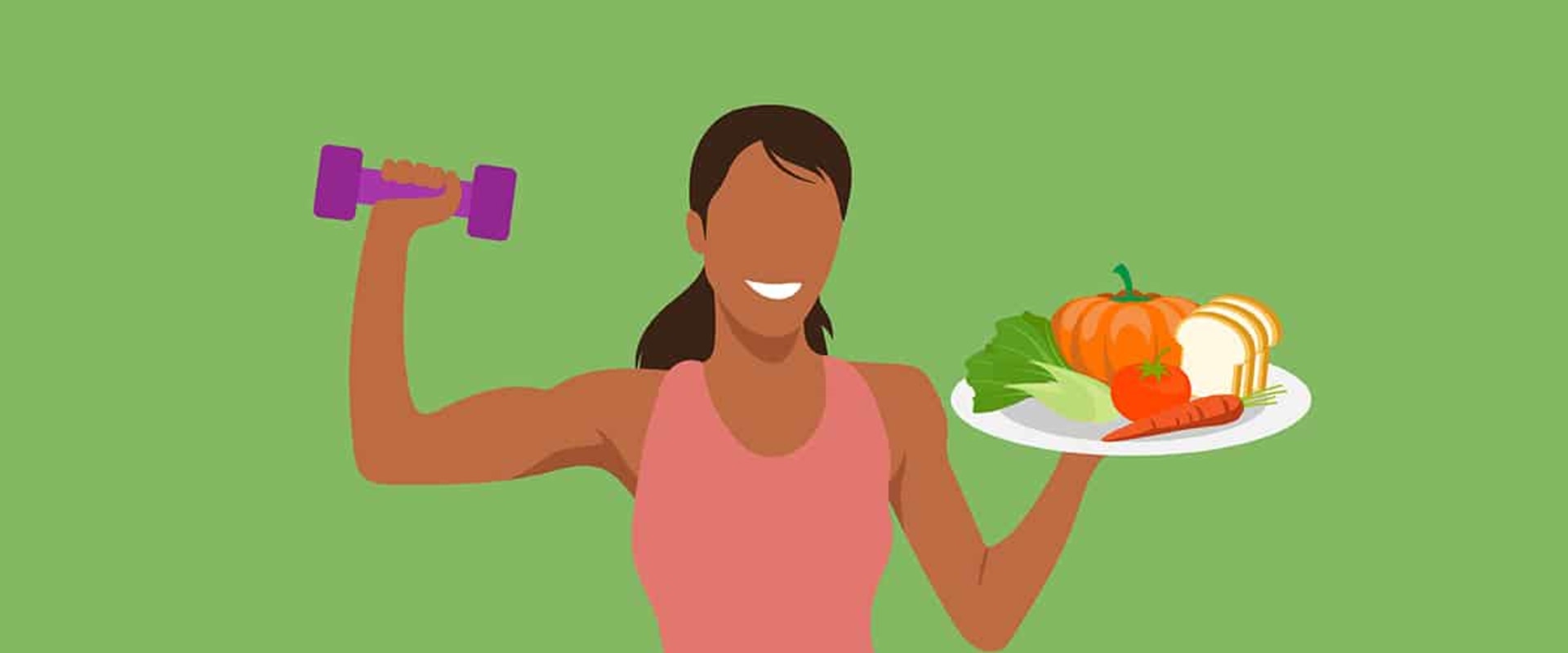
Living a healthy lifestyle is essential for everyone, regardless of age or background. Eating a well-balanced, low-fat diet with lots of fruits, vegetables and whole grains is key to maintaining good health. Choosing fresh foods whenever possible can maximize nutritional value and support a healthier diet. A healthy diet and balanced diet are important for better health, and a balanced diet includes a variety of healthy foods such as fruits, vegetables, whole grains, lean meat, fish, pasta, and low-fat milk, while limiting salt and sugar intake. When selecting food groups, it’s important to consume healthy foods and choose drinks like water or low-fat milk over sugary drinks. Eating fish at least twice a week, including oily fish, and choosing lean cuts of meat can further support heart health and longevity. Additionally, regular physical activity and avoiding smoking and excessive alcohol consumption can help you stay healthy and live longer. In this article, we’ll explore the basics of healthy living and how it can benefit you in the long run. When it comes to diet, the U.
S. Food and Drug Administration (FDA) recommends eating a variety of foods from all food groups in order to get the essential nutrients your body needs. This includes fruits, vegetables, whole grains, low-fat dairy products, lean proteins, and healthy fats. Eating a variety of foods can help you get the vitamins and minerals your body needs to stay healthy.
Additionally, switching from some refined grains to whole grains can reduce your risk of disease. In an observational study of nearly 200,000 adults, those who ate the most whole grains had a 29 percent lower rate of type 2 diabetes than those who ate the least. Furthermore, a review of 45 studies concluded that eating 90 grams (or three 30-gram servings) of whole grains a day reduced the risk of cardiovascular disease by 22 percent, coronary heart disease by 19 percent, and cancer by 15 percent. Eating fish at least two times per week, especially oily fish, and choosing lean cuts of meat are recommended for a balanced diet. In addition to diet, regular physical activity is also important for maintaining good health. Regular exercise, including strength training, helps you stay active, maintain more energy throughout life, and supports a healthy weight. Exercise helps to strengthen your muscles and bones, improve your cardiovascular health, and reduce stress levels. It can also help you maintain a healthy weight and reduce your risk of chronic diseases such as diabetes and heart disease. Developing healthy habits, such as regular exercise and healthy eating, can contribute to better health, protect against serious health conditions, and help most adults maintain a healthy life.
Even just 30 minutes of moderate physical activity per day can make a big difference in your overall health. Quality sleep is another healthy habit that improves mood, energy, and productivity. The support of family and loved ones is also important in maintaining healthy habits and overall well-being. Using tools, tips, and plans can help you develop and maintain healthy habits, and focusing on positive thinking can help manage stress and improve mental health. Cooking healthy meals at home can be a positive and enjoyable way to support healthy eating. Making healthier choices and developing good habits can help protect your health and contribute to a longer, more fulfilling life. Thinking about the factors that influence your health, and making a plan and setting goals, can help you stay on track.
Finally, avoiding smoking and excessive alcohol consumption is also important for living a healthy lifestyle. Smoking increases your risk of developing chronic diseases such as cancer and heart disease. Drinking alcohol should be done in moderation, as excessive alcohol consumption can lead to health problems such as liver damage and high blood pressure. If you do choose to drink alcohol, it’s important to do so in moderation. Making even some small changes in your lifestyle can have big benefits for your health.
For example, Barcelona’s bike sharing program reduces carbon dioxide emissions by about 10,000 tons every year. This shows that even small changes can have a big impact on our environment.